
The starting point
A gate catching the ground or missing its latch does not automatically mean the latch is the problem. The gate frame, hinges, posts and surrounding fence need to be considered together before choosing a repair. Describe how it moves rather than adjusting parts at random.
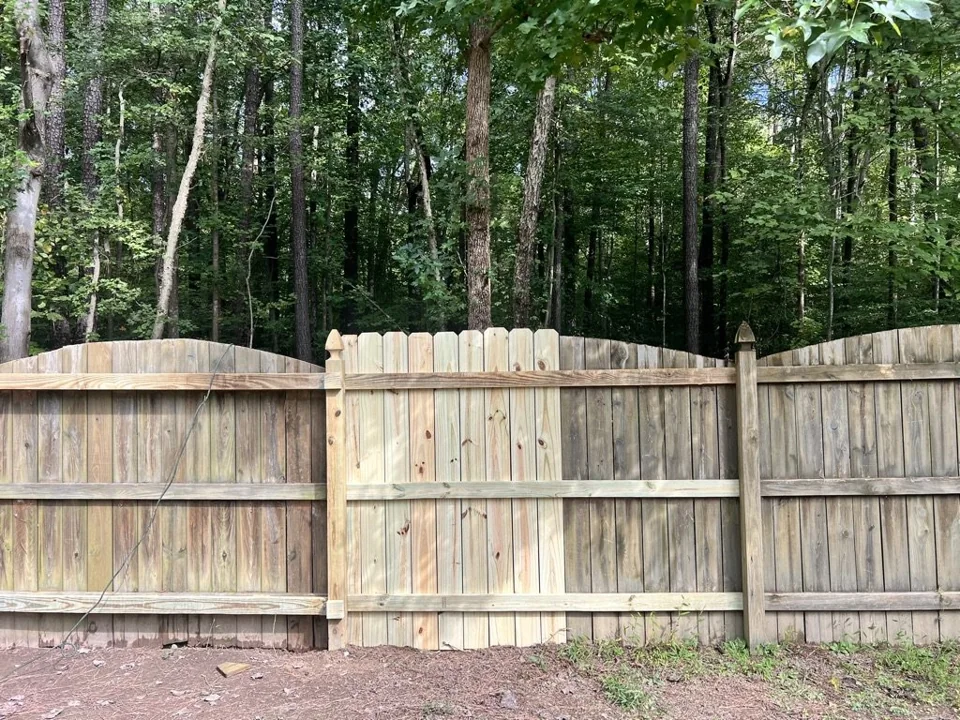
Locate the point of contact
Explain whether the gate catches at the ground, touches a post or reaches the latch at the wrong height. Mention whether it has always behaved that way or changed recently. Photograph the closed gate and the adjacent fence from both sides where safely accessible. A close-up of the latch is useful, but it should sit within the wider picture of the opening.
Include the parts beside the gate
A gate is supported by more than the boards you see in its middle. Show the hinges, frame, posts and adjoining fence sections without pushing on anything that seems loose. Tell Maz if there are damaged boards, visible gaps or a post that appears to have moved. These observations help distinguish a possible hardware adjustment from a wider repair requiring assessment.
Describe when it happens
A gate that catches all the time presents a different brief from one that changes after weather or only when opened fully. Note the circumstances without assuming a cause. Also mention changes to paving, soil, nearby planting or the gate’s weight. If a new lock or closer is planned, include it early so the repaired gate is assessed for the final arrangement.
Agree function and appearance together
The practical goal may be a gate that opens without dragging and closes reliably. The visual goal may include keeping the existing fence style or replacing a damaged section. New timber and hardware can stand out against weathered materials. Discuss what should remain, what may need replacement and whether painting or staining is a separate stage.
Start with a bounded repair request
FIXABL’s project collection includes deck and fence repair work. Send Maz your ZIP code, the full opening, the problem area and a short description of the change. If the surrounding structure is unstable or extensively deteriorated, a small adjustment may not be the appropriate scope. Keep people and pets away from an area you believe may fall or detach while arranging an assessment.
Questions before you begin
Should I replace the latch first?
It is better to understand the alignment and support first. Replacing a latch will not necessarily correct movement of the gate or posts.
Can a repair match the old fence?
Discuss the material and finish. New components may differ visibly from weathered wood, even when the size or style matches.
Bring these to the conversation
- Gate and adjacent fence from both sides
- Where it drags or misses the latch
- When the problem appeared
- Any previous fixes or added hardware
- Your desired finish and practical outcome
Planning information from FIXABL for homeowners in Richmond, Midlothian and Chesterfield County. The approach, qualifications and approvals needed for your home depend on the specific work and an assessment.