
The starting point
A damaged board alone cannot tell you whether the whole deck needs replacing. Describe the condition of the surrounding area and arrange an assessment before deciding on the scope.
Show more than the obvious damage
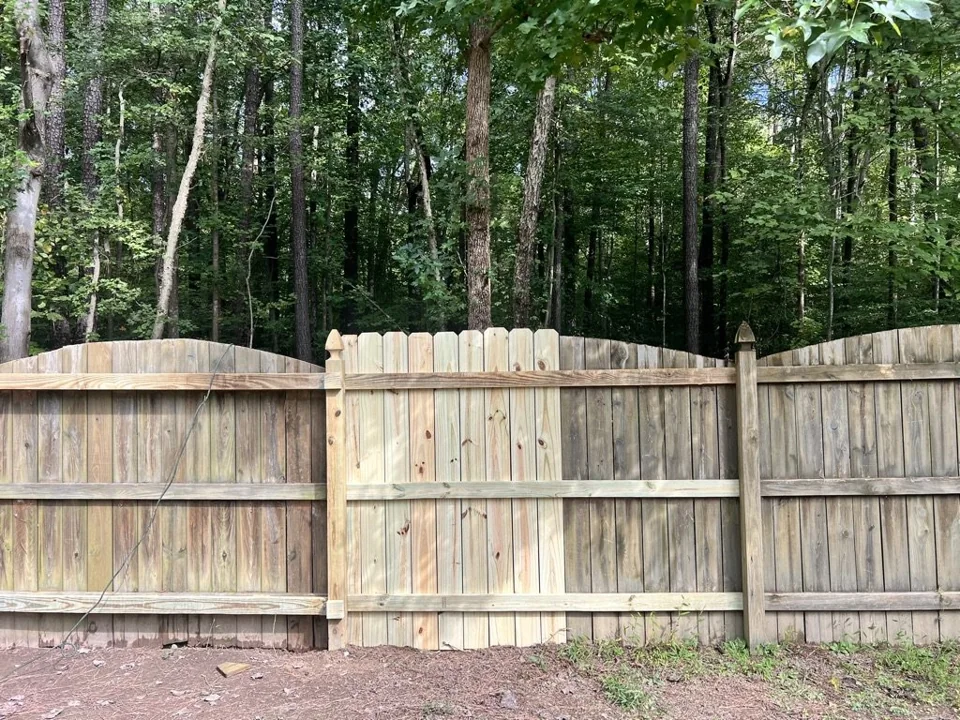
Include a close-up and a wide photo showing adjacent boards, rails and posts. Tell Maz how long the issue has been there and whether it has changed. If it is safe to take photos without entering an unstable area, include different viewpoints.
Describe changes in use
Mention a rail that moves, a gate that catches or a section that feels different underfoot. Do not test or use an area you believe is unsafe. These observations help explain why the issue matters without requiring you to diagnose the structure.
Separate the repair from the refresh
Replacing a damaged detail and changing the overall appearance are different goals. New material may stand out against weathered surfaces. Ask whether finishing should be included and which parts of the existing deck you want to retain.
Agree the next step after assessment
Some projects suit a focused repair; others need a broader scope or specialist input. Changes to the structure can also affect permits and project requirements. Discuss these before materials are ordered, using the relevant local building department for the specific property.
Bring these to the conversation
- Wide and close photographs
- When the issue started
- Movement or instability noticed
- Repair priorities and finish preferences
Planning information from FIXABL for homeowners in Richmond, Midlothian and Chesterfield County. The approach, qualifications and approvals needed for your home depend on the specific work and an assessment.