
The starting point
A patch can be flat and still stand out because the texture, paint sheen, color or surrounding finish differs. Discuss the finished wall—not just the hole—when agreeing a small drywall repair. Sometimes a larger painting area is needed for a consistent appearance.
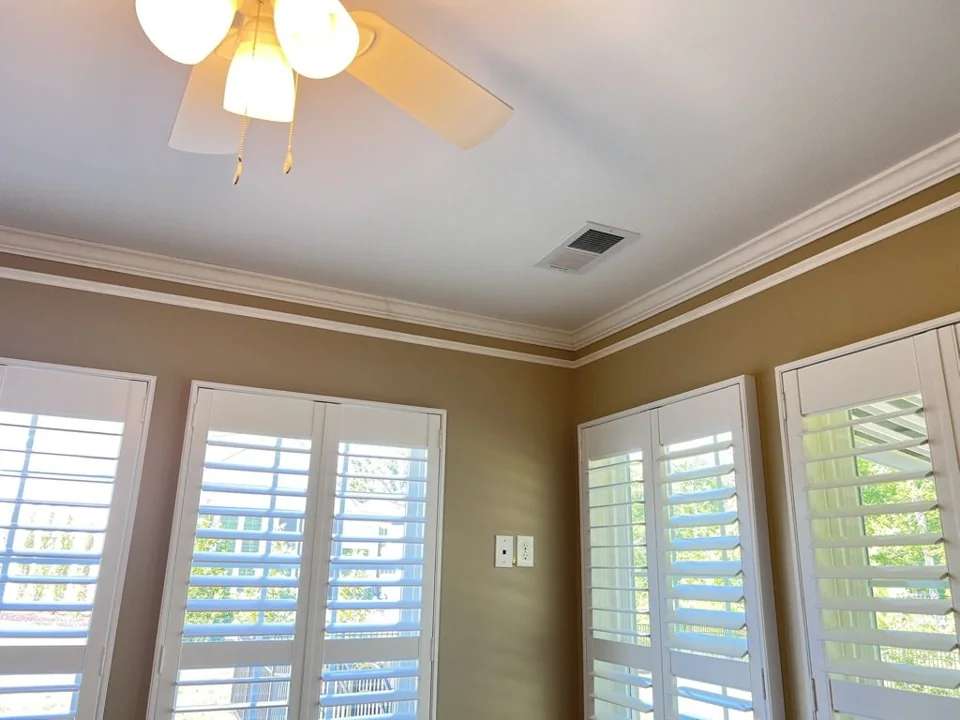
Show the wall in the light you use
Take one photo straight toward the damage and another from the side where you normally notice it. Include nearby windows or lighting in the wider view. A repair that looks acceptable face-on can stand out when light travels across the surface. Explain the setting that bothers you: evening kitchen light, a sunny hallway or the view from a desk. Those details make expectations easier to discuss.
Separate the cause, the patch and the paint
First explain what caused the damage and whether that issue is resolved. A changing crack or damp area should not simply be covered over. Then discuss the surface repair and the finish as separate parts of the scope. Filling a hole, preparing the wall and repainting may require stages and drying time. Ask which steps are included and whether another visit will be needed.
Find the full paint label
Color names alone are not enough to identify an existing finish. Keep the brand, product line, color code and sheen if available, plus any record of when the room was painted. Benjamin Moore’s touch-up guidance emphasizes color, sheen and texture. Even retained paint can look different against an aged wall, so a label is useful evidence rather than a guarantee of an invisible touch-up.
Agree the finishing boundary
A tiny touch-up, a larger blended area and repainting the wall are different scopes. Discuss which result matters and how the surrounding wall is used. Photos can start that discussion, but the surface may need to be seen in person. Include furniture movement, access and protection of nearby belongings in the plan; these practical details affect the visit as much as the hole size.
Combine related repairs thoughtfully
For a Richmond, Midlothian or Chesterfield home, a removed TV bracket, new shelf layout and old nail holes may belong in one finishing conversation. Share the final arrangement before patching positions that will be used again. Send Maz a short list with the damage, the finish information and your priorities so the work can be assessed as a whole.
Questions before you begin
Will the original paint always match?
No. Aging, sheen, surface preparation and application texture can affect the result. The original label helps choose an approach but does not guarantee an invisible repair.
Can a patch and repaint be completed in one visit?
That depends on the repair, materials and drying requirements. Agree the stages before scheduling rather than assuming one visit.
Bring these to the conversation
- Wide and close-up wall photographs
- Cause of the damage and any ongoing change
- Paint brand, product, color and sheen
- Desired finishing area
- Furniture or mounting changes planned
Useful sources
Benjamin Moore: matching touch-up paintSource information checked October 28, 2026. Use the official source for current requirements and product details.
Planning information from FIXABL for homeowners in Richmond, Midlothian and Chesterfield County. The approach, qualifications and approvals needed for your home depend on the specific work and an assessment.